
colored laminated glass
The Indispensable Role of Rebar Caps in Construction Safety Rebar, or reinforcing steel, is an essential component in the construction industry, playing a pivotal role in reinforcing concrete structures. However, the safety and efficacy of this structural element significantly depend on its correct installation and protection, which is where rebar caps come into play. A rebar cap, often made of plastic or rubber, serves as a protective covering for the ends of exposed reinforcement bars. It might seem like a small detail in the grand scheme of a construction project, but its importance cannot be understated. These caps serve multiple functions that contribute to overall site safety and construction quality. Firstly, rebar caps are installed to prevent accidental injuries. Uncovered rebar ends can pose serious hazards on construction sites, with their sharp edges capable of causing lacerations or puncture wounds. Workers, especially those involved in foot traffic or working at height, are at risk of tripping or falling onto these protruding bars. The rebar caps provide a barrier, minimizing the chances of such accidents. Secondly, they protect the integrity of the rebar itself. Exposed steel is prone to corrosion, which can weaken the structural strength over time. Rebar caps act as a shield against environmental elements, particularly moisture, thus extending the lifespan of the reinforcement bars Rebar caps act as a shield against environmental elements, particularly moisture, thus extending the lifespan of the reinforcement bars Rebar caps act as a shield against environmental elements, particularly moisture, thus extending the lifespan of the reinforcement bars Rebar caps act as a shield against environmental elements, particularly moisture, thus extending the lifespan of the reinforcement bars rebar cap . This is particularly crucial in areas with high humidity or where the structure is in constant contact with water. Moreover, rebar caps also facilitate the organization and identification of different bars during the construction process. Different colors or markings on the caps can indicate the size or type of rebar, streamlining the construction workflow and ensuring compliance with engineering plans. The use of rebar caps is not merely a good practice; it's a regulatory requirement in many jurisdictions. Regulatory bodies emphasize the importance of safety precautions on construction sites, and rebar caps are a fundamental part of this mandate. Non-compliance can lead to penalties, delays, or even more severe consequences. In conclusion, rebar caps are a vital aspect of construction safety and quality control. They embody the principle that prevention is better than cure, safeguarding both workers and the structural integrity of the building. While they may appear as insignificant components in the grand design, their role is as crucial as the rebar they cover, ensuring that every step in the construction process is secure and efficient. Therefore, understanding and appreciating the significance of rebar caps is an integral part of responsible and safe construction practices.
about
colored laminated glass
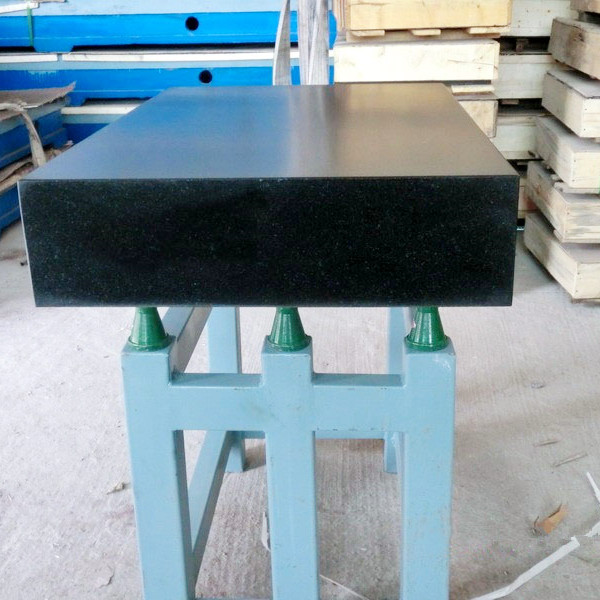
The Importance and Utility of Large Granite Surface Plates In the realm of precision manufacturing and engineering, the pursuit of accuracy is paramount. One of the tools that have become indispensable in achieving this level of precision is the large granite surface plate. As a flat, stable surface used for precision measurement and inspection, granite surface plates serve a variety of critical roles in manufacturing, quality control, and metrology. What is a Granite Surface Plate? A granite surface plate is a fundamental tool in various engineering and manufacturing environments. Constructed from high-quality granite, these plates are prized for their exceptional flatness, durability, and resistance to wear. The surface of a granite plate is meticulously honed to create a nearly perfectly flat area, which is essential for measuring and verifying the accuracy of components. Unlike metal plates, granite surface plates are less prone to rust and corrode, offering longevity and reliability. Applications of Large Granite Surface Plates Large granite surface plates are used in numerous applications across different industries 1. Precision Measurement Engineers and technicians employ granite surface plates to check the accuracy of machined parts. By placing components on the flat surface, measurements can be taken more easily, ensuring that parts meet specified tolerances. 2. Setup and Alignment In manufacturing processes, large granite plates provide a stable base for setting up machines. They can be used for aligning tools and fixtures, which is crucial for repetitive precision work. This alignment helps in reducing errors and increasing efficiency in production. 3. Quality Control Quality assurance teams rely on granite surface plates to conduct inspections on finished products . Ensuring that items are manufactured according to design specifications is vital to maintaining safety and performance standards. large granite surface plate 4. Tool Calibration Calibration of measurement tools is essential in precision industries. Large granite surface plates serve as a standard reference point for calibrating instruments such as dial indicators and micrometers, allowing for accurate readings. Advantages of Using Granite Surface Plates The use of large granite surface plates comes with several advantages. First and foremost is their dimensional stability. Granite’s thermal stability allows it to maintain its flatness under varying temperatures, something that metal plates cannot guarantee. Moreover, granite is dense and non-porous, minimizing the risk of chipping or cracking under typical working conditions. Another significant advantage is the inherent hardness of granite. This hardness means that granite surface plates can withstand impacts and abrasions far better than softer materials. Consequently, they require less maintenance and can be used for prolonged periods without significant wear. The inert nature of granite also means it is less likely to react with the environment, an important quality for maintaining a good measurement standard. This characteristic makes granite a preferred material in laboratories and facilities where precision is critical. Maintenance and Care While granite surface plates are sturdy, proper care is essential to ensure their longevity and accuracy. Regular cleaning with a mild detergent and soft cloth is advised to remove dust and debris. It is also crucial to avoid placing extremely heavy objects on the surface that could cause deformation over time. Proper storage and handling practices, such as using a designated area for the plates, further help maintain their integrity. Conclusion In summary, large granite surface plates are vital tools in the quest for precision in manufacturing and engineering. Their unmatched flatness, durability, and resistance to environmental factors make them the ideal choice for various applications, from measurement and calibration to quality control. Investing in high-quality granite surface plates can lead to improved productivity, reduced errors, and ultimately, higher-quality products. As industries continue to demand ever-greater accuracy, the utility of granite surface plates is sure to remain significant for years to come.
-

High quality industrial productsagement

High quality industrial products
View Details -

Meet the diverse needs of customers

Meet the diverse needs of customers
View Details -

Strict quality control

Strict quality control
View Details -

Top raw materials

Top raw materials
View Details -

Trusted supplier

Trusted supplier
View Details
Our application


news and information
Ustawiony wskaźnik
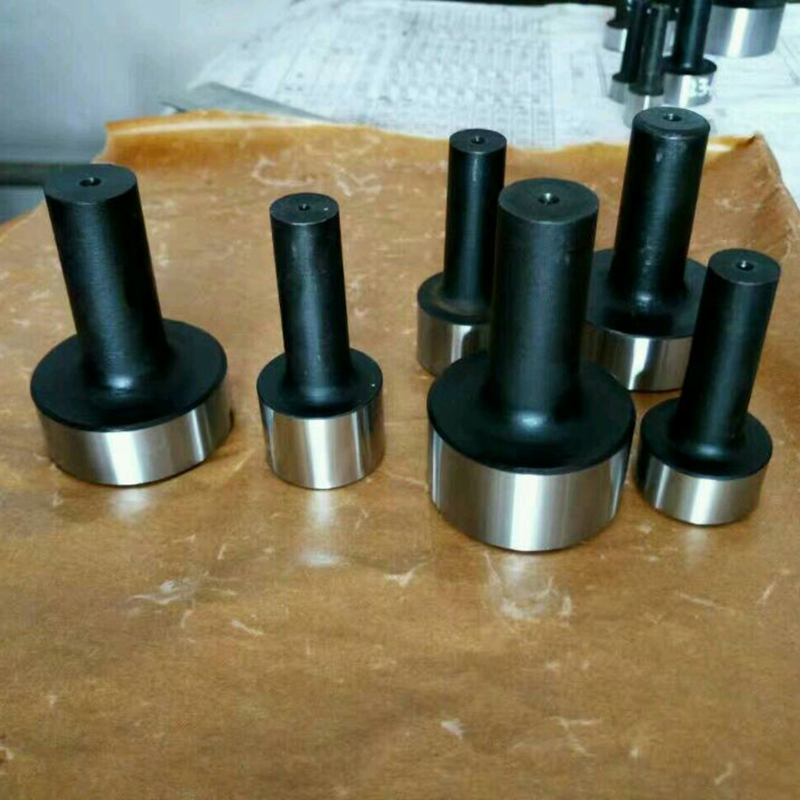
Zestaw wskaźników pinowych – niezastąpione narzędzie w precyzyjnym pomiarze W dzisiejszym świecie, g
water valve gate
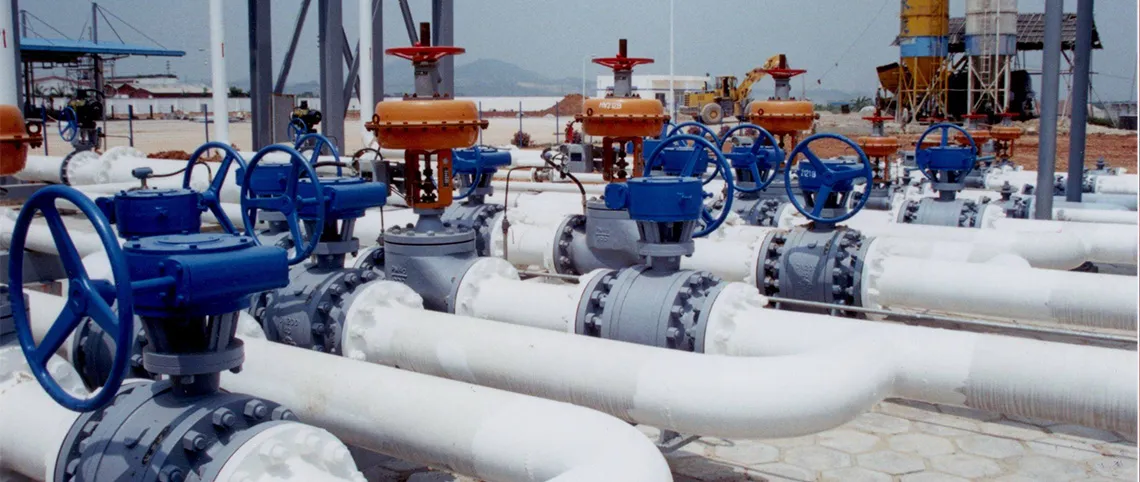
Understanding Water Valve Gates Their Functionality and Importance Water management is critical in v
Y Type Strainer Featuring Convenient Drain Valve for Efficient Fluid Filtration
Understanding Y-Type Strainers with Drain Valves In industrial settings, efficient fluid management
 English